

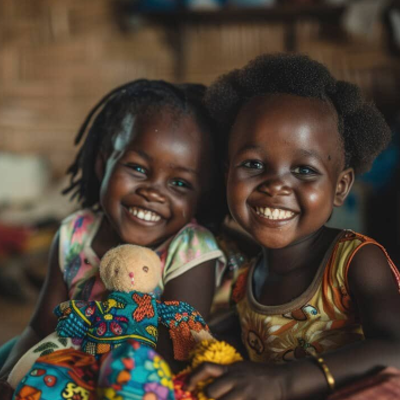
Community Empowerment
Community empowerment is a vital approach to improving child health and welfare as it involves engaging and mobilizing community members to take ownership of solutions and drive positive change. Here are some strategies we are implementing for community empowerment for enhancing child health and welfare:
Community Participation: Involve community members, including parents, caregivers, educators, youth, healthcare providers, and local leaders, in decision-making processes related to child health and welfare. Foster a sense of ownership and responsibility among community members.
Capacity Building: Provide training, education, and resources to empower community members with the knowledge and skills needed to address child health and welfare issues effectively. Offer workshops, seminars, and information sessions on topics such as nutrition, hygiene, parenting, and child development.
Partnerships and Collaboration: Forge partnerships with local organizations, health providers, schools, and government agencies to leverage resources, expertise, and support for community empowerment initiatives. Collaborate with diverse stakeholders to create a comprehensive approach to child health and welfare.
Health Education and Promotion: Conduct health education campaigns and awareness programs within the community to promote preventive healthcare practices, healthy behaviors, and well-being strategies for children and families.
Community Advocacy: Empower community members to advocate for policies, programs, and resources that support child health and welfare at the local, regional, and national levels. Encourage community members to participate in advocacy campaigns, policy discussions, and decision-making processes.
Asset-Based Approach: Identify and leverage the strengths, resources, and assets within the community to address child health and welfare challenges. Build on existing community networks, cultural practices, and social support systems to promote positive outcomes for children.
Culturally Sensitive Programming: Tailor interventions and programs to the cultural beliefs, practices, and preferences of the community to ensure relevance and acceptance. Respect and incorporate cultural diversity in approaches to improving child health and welfare.
Data Collection and Monitoring: Collect data and feedback from community members to assess the impact of community empowerment initiatives on child health and welfare outcomes. Monitor progress, evaluate effectiveness, and adjust strategies based on community input.
Sustainability Planning: Develop sustainable models and mechanisms for maintaining community empowerment efforts beyond initial interventions. Build community capacity, leadership, and resilience to ensure long-term impact on child health and welfare.